

Joyce Mmereole Okoli
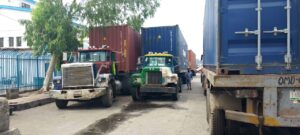
The dreaded Apapa gridlock has returned with full force, choking movement along key port access roads and reigniting fears of another traffic nightmare for residents, port users, and commuters.
Despite years of interventions to clear the route leading to Nigeria’s busiest ports, the roads around Apapa are once again clogged by long queues of trucks and tankers, particularly in the evenings.
Investigations by the Network of Nigerian Maritime Journalists revealed that while the roads remain relatively free during daytime, a trail of trucks begins to form by dusk, stretching from Costain and Mile 2 to the Tin Can Island and Apapa port gates.
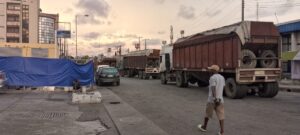
Sources alleged that the nightly chaos is being fueled by a lucrative toll racket, with truckers reportedly paying between ₦30,000 and ₦50,000 to secure passage or parking spots along the corridor. Officials of key agencies including the Nigerian Ports Authority (NPA), Nigerian Shippers’ Council (NSC), Lagos State Traffic Management Authority (LASTMA), Federal Road Safety Corps (FRSC), and the Police have been accused of turning a blind eye while some allegedly profit from the extortion.
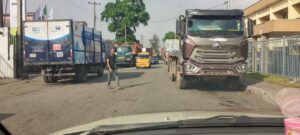
The worst-hit areas include Wharf Road, Warehouse Road, Burma Road, Commercial Road, and Creek Road, where gridlocks often force motorists to abandon their cars and resort to motorcycles to escape the congestion.
Moses Fadipe, former National Coordinator of the Port Standing Task Team (PSTT), blamed the resurgence on the return of vested interests who previously thrived in the disorder.
“Those benefiting from the chaos are back in business. The Lagos State Government knows what needs to be done to prevent a total breakdown,” he warned.
Similarly, Martins Enibeli, President of the Nigerian Institute of Shipping (NIS) and the Nigerian Licensed Ship Chandlers Association (NILSCA), faulted government insincerity and poor infrastructure planning.
He urged authorities to prioritize rail transport for cargo evacuation and revive Eastern and Delta ports to ease the load on Lagos ports.
“Bonded terminals should be relocated far from the ports and linked by rail. Concentrating all port operations in the West is unsustainable,” Enibeli said.
A senior official, who spoke anonymously, confirmed the existence of a powerful syndicate involving both state and non-state actors who profit from the illegal toll collections.
Stakeholders are now calling for urgent federal intervention to dismantle the alleged extortion network and restore sanity to Apapa’s critical transport corridors before the situation spirals out of control.